The palaces
Nine palaces and pavilions, two shores
The National Palaces Administration opens nine imperial palaces and pavilions in Istanbul to visitors. Six are on the European side, three on the Asian shore of the Bosphorus.
European side
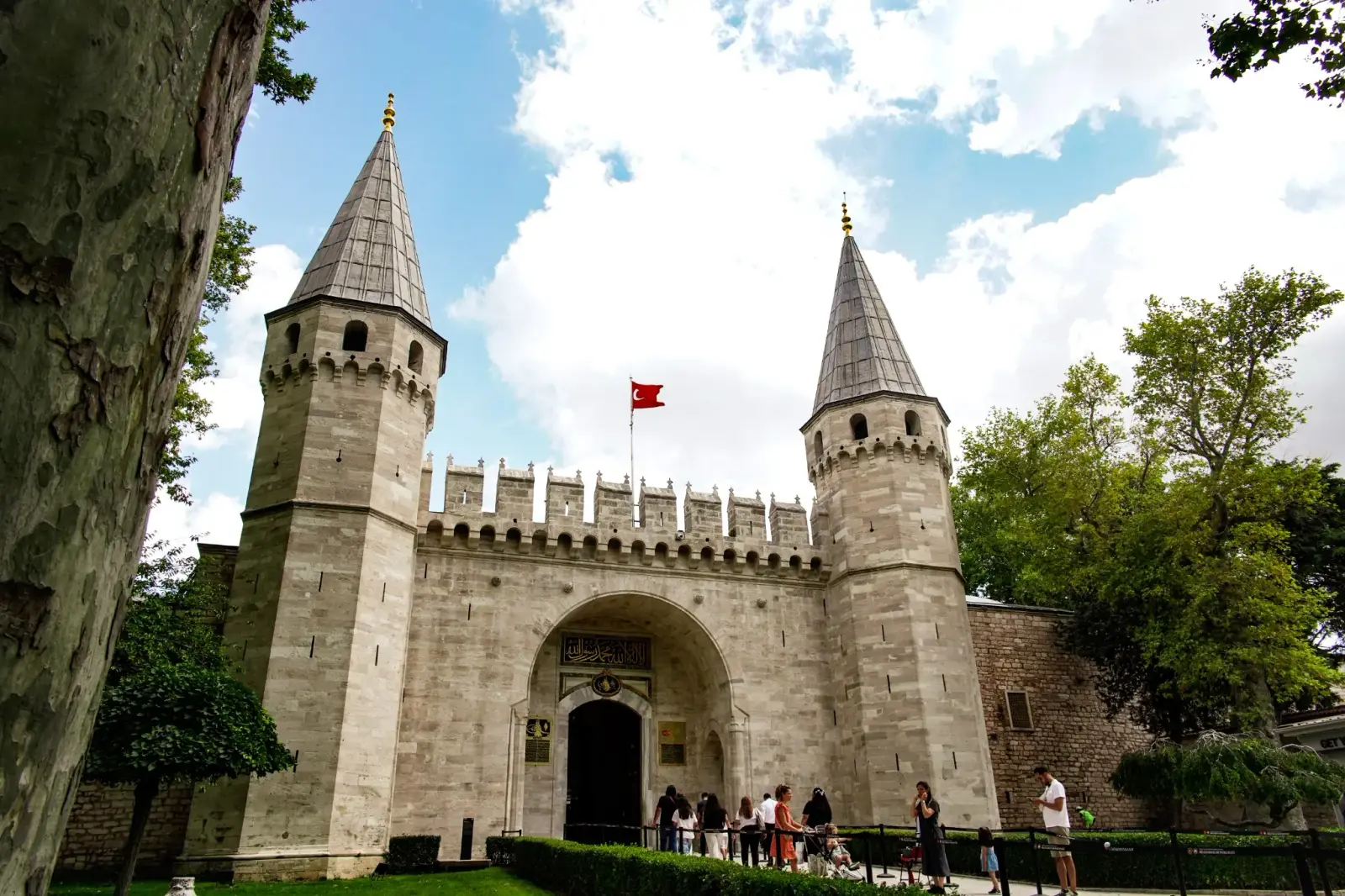
Topkapı Palace
The palace Mehmed II began after the conquest, seat of the sultans for some four hundred years and, since 1924, a museum. Four courtyards, the Harem and the Treasury.
Read the guide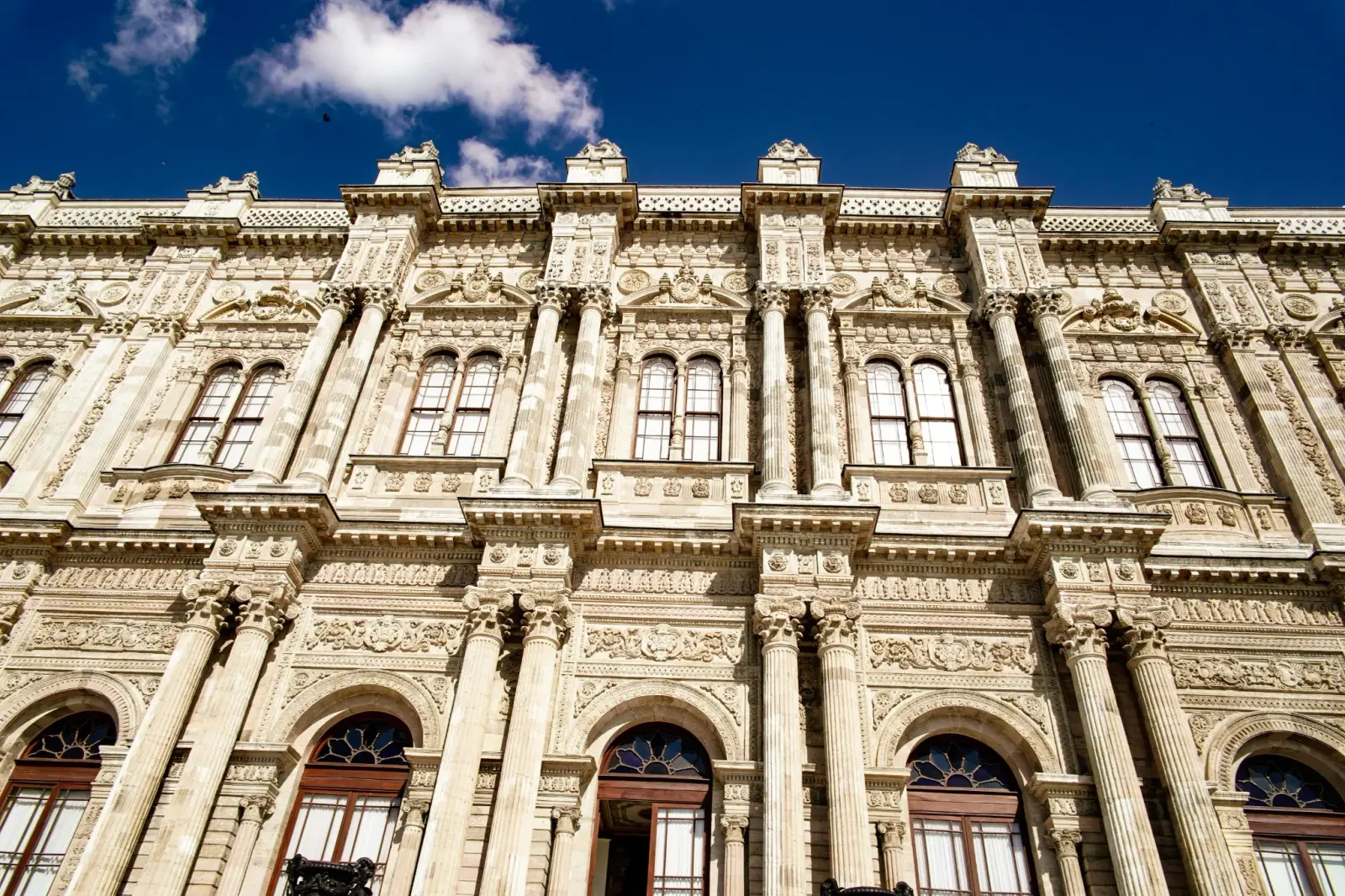
Dolmabahçe Palace
A single vast building on the water, built in the 1840s and 1850s when the court left Topkapı. The Selamlık, the Ceremonial Hall and the Harem, furnished as they were used.
Read the guideYıldız Palace
The last great palace the Ottomans built in Istanbul, a whole walled town on a hill between Beşiktaş and Ortaköy. Abdülhamid II governed from here for 33 years.
Read the guideIhlamur Pavilions
A walled garden in a valley between Beşiktaş and Nişantaşı, with two pavilions Abdülmecid built for rest and for receiving guests. Small, quiet and close to the centre.
Read the guideAynalıkavak Pavilion
All that survives of the Tersane Palace on the Golden Horn — a pavilion where Selim III is thought to have composed, with the poems written for him above the windows.
Read the guideMaslak Pavilions
A group of pavilions, stables and a greenhouse in a large garden, where Abdülhamid II lived as a prince — he was here when he was called to the throne in 1876.
Read the guideAsian side
Beylerbeyi Palace
A summer palace on the Asian shore of the Bosphorus, built in 1863–1865 and used to host visiting emperors and empresses. Abdülhamid II spent his last years here.
Read the guideKüçüksu Pavilion
A three-storey pavilion of the 1850s on the Asian shore, used for day trips and hunting. Its carved sea façade is one of the most photographed on the Bosphorus.
Read the guideBeykoz Mecidiye Pavilion
Built by the governor of Egypt as a gift for Abdülmecid and finished in 1854 — older than Dolmabahçe and Beylerbeyi. Restored and opened as a museum in 2017.
Read the guide