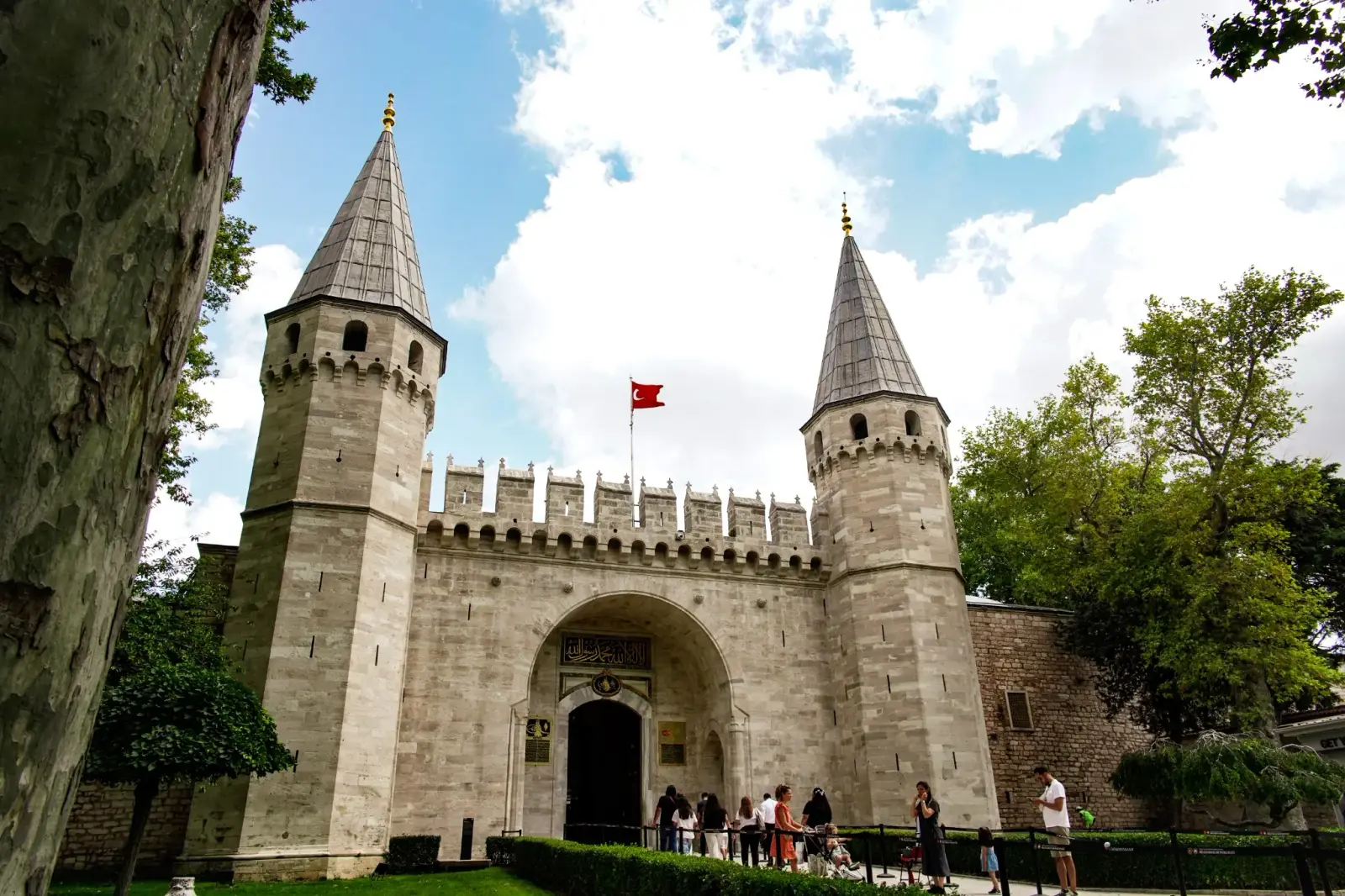
Topkapı Palace
Not sold on the National Palaces e-ticket system and not part of its combined pass.
Topkapı tickets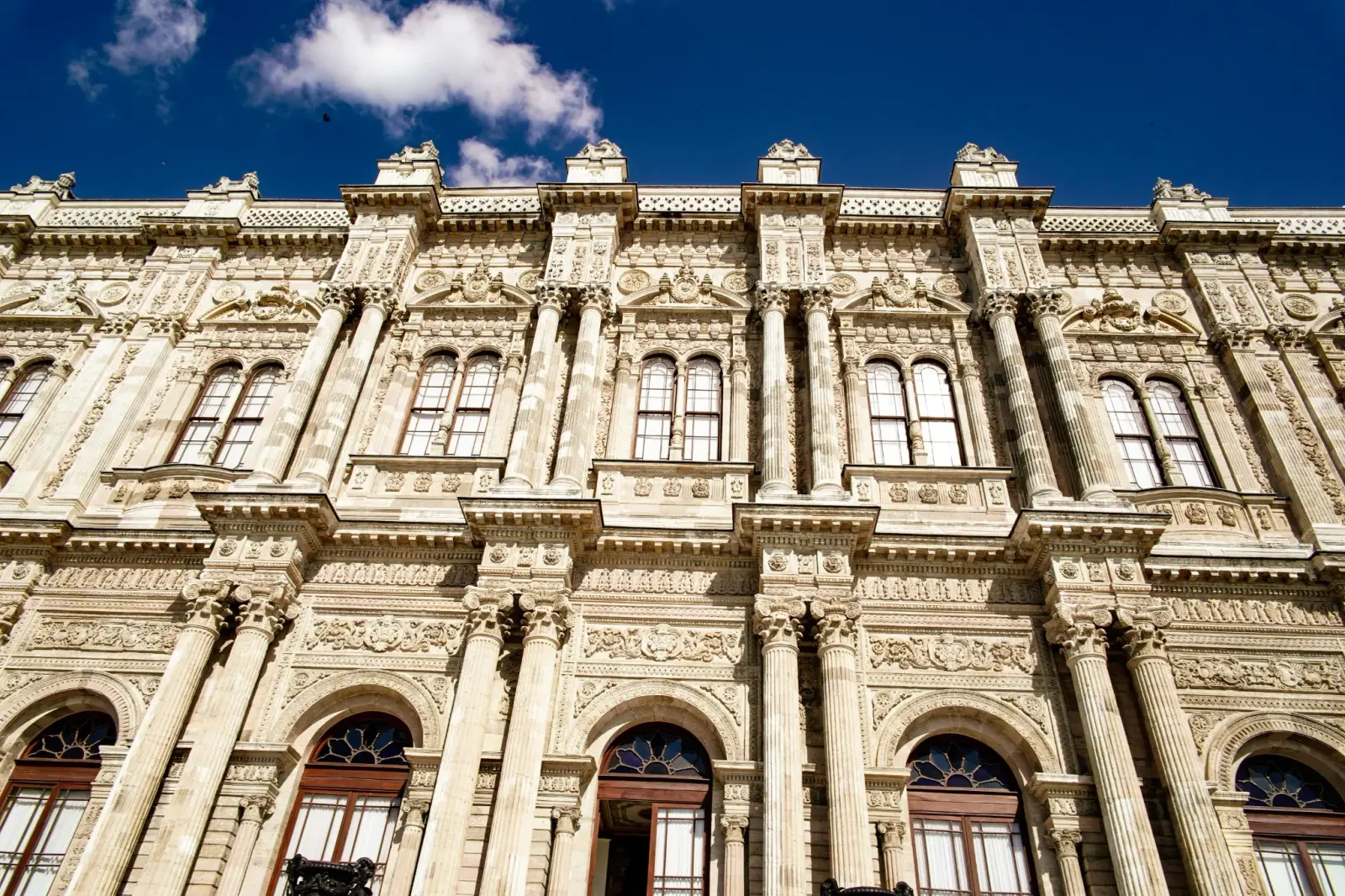
Independent visitor guide
Nine palaces and pavilions on the Bosphorus and the Golden Horn, from Topkapı to the pavilions of the Asian shore — their stories, and what you need to know to visit.
For four centuries the Ottoman court lived at Topkapı, on the headland above the Golden Horn. In the nineteenth century it moved to the shores of the Bosphorus, and the sultans built Dolmabahçe, Beylerbeyi and Yıldız, and a string of smaller pavilions for a day’s rest, a hunt or a guest.
Nine of them are open to visitors today, all run by the National Palaces Administration. This guide covers each one — what it was for, what to see there and the practical details that differ from one to the next.
Six on the European side, three on the Asian shore. Each has its own page with its history, highlights and visiting details.
The palace Mehmed II began after the conquest, seat of the sultans for some four hundred years and, since 1924, a museum. Four courtyards, the Harem and the Treasury.
Read the guideA single vast building on the water, built in the 1840s and 1850s when the court left Topkapı. The Selamlık, the Ceremonial Hall and the Harem, furnished as they were used.
Read the guideThe last great palace the Ottomans built in Istanbul, a whole walled town on a hill between Beşiktaş and Ortaköy. Abdülhamid II governed from here for 33 years.
Read the guideA walled garden in a valley between Beşiktaş and Nişantaşı, with two pavilions Abdülmecid built for rest and for receiving guests. Small, quiet and close to the centre.
Read the guideAll that survives of the Tersane Palace on the Golden Horn — a pavilion where Selim III is thought to have composed, with the poems written for him above the windows.
Read the guideA group of pavilions, stables and a greenhouse in a large garden, where Abdülhamid II lived as a prince — he was here when he was called to the throne in 1876.
Read the guideA summer palace on the Asian shore of the Bosphorus, built in 1863–1865 and used to host visiting emperors and empresses. Abdülhamid II spent his last years here.
Read the guideA three-storey pavilion of the 1850s on the Asian shore, used for day trips and hunting. Its carved sea façade is one of the most photographed on the Bosphorus.
Read the guideBuilt by the governor of Egypt as a gift for Abdülmecid and finished in 1854 — older than Dolmabahçe and Beylerbeyi. Restored and opened as a museum in 2017.
Read the guideThe two palaces most visitors come for can be booked ahead on our sister sites: a dated ticket, sent by email.
Not sold on the National Palaces e-ticket system and not part of its combined pass.
Topkapı ticketsThe Selamlık, the Harem and the Ceremonial Hall of the last great imperial palace.
Dolmabahçe ticketsThe other seven sites are sold at their own gates and on the National Palaces Administration’s e-ticket system. This guide does not sell them.
Most sites close on Mondays, Topkapı on Tuesdays and Yıldız on Wednesdays.
It is not in the combined pass and not on the operator’s e-ticket system, and a gate ticket is valid only that day.
Not valid for Topkapı’s Harem and Hagia Irene, Dolmabahçe’s Selamlık, or the private quarters at Yıldız.
Choosing between the palaces, combining them and getting the most out of a day.
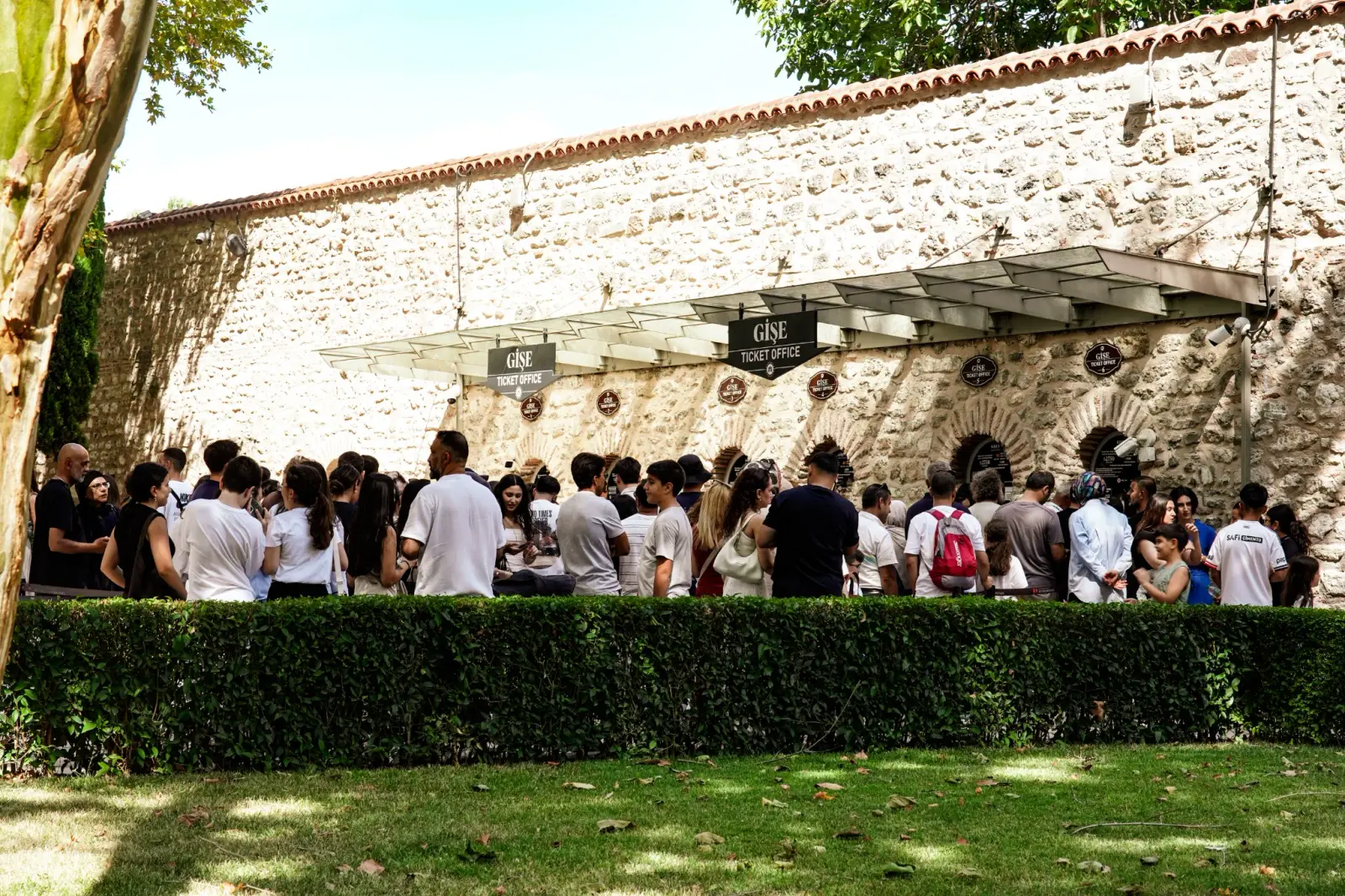
There is no official online ticket for Topkapı. Here is how the ticket office works, what booking ahead through an authorised partner gets you, and what the combined, Harem and Hagia Irene tickets actually mean.
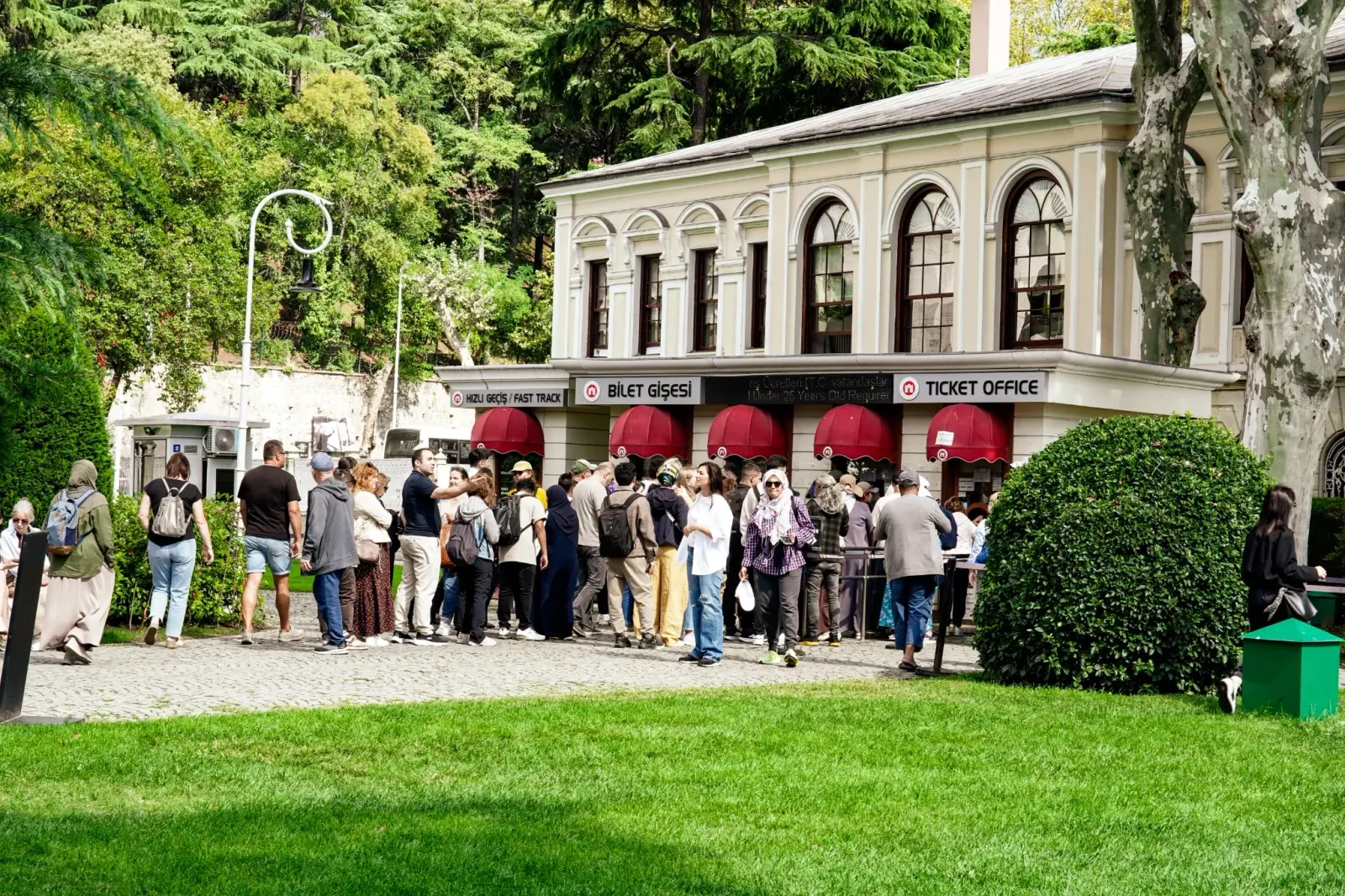
Ticket office, National Palaces e-ticket or a partner booking: the three ways into Dolmabahçe, what the ticket covers, when the palace is closed and how to keep the queues short.
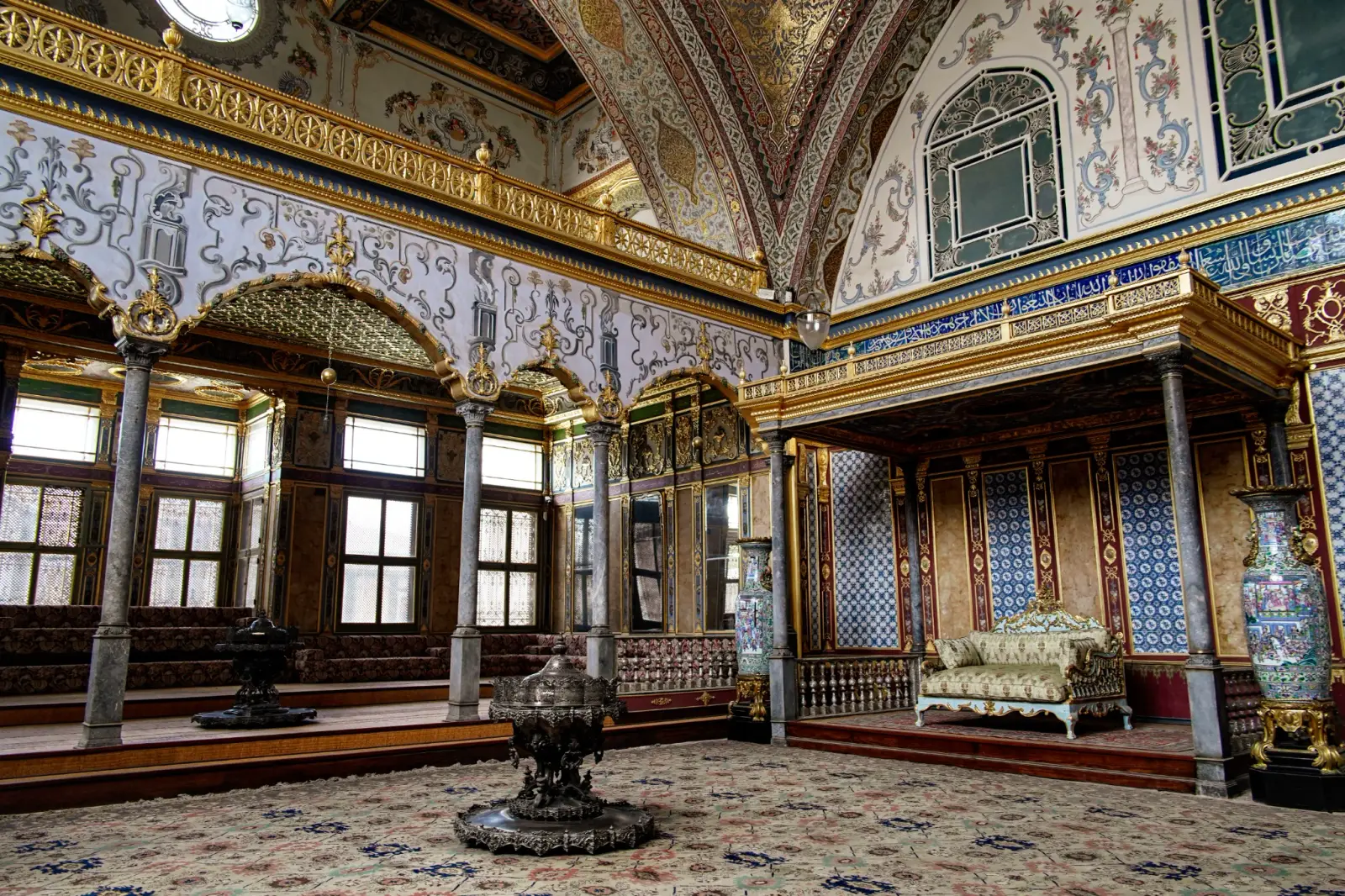
Not a pleasure garden but a household with its own rules, ranks and schools. What the Harem of Topkapı really was, the rooms you walk through today, and whether the separate ticket earns its place in your day.